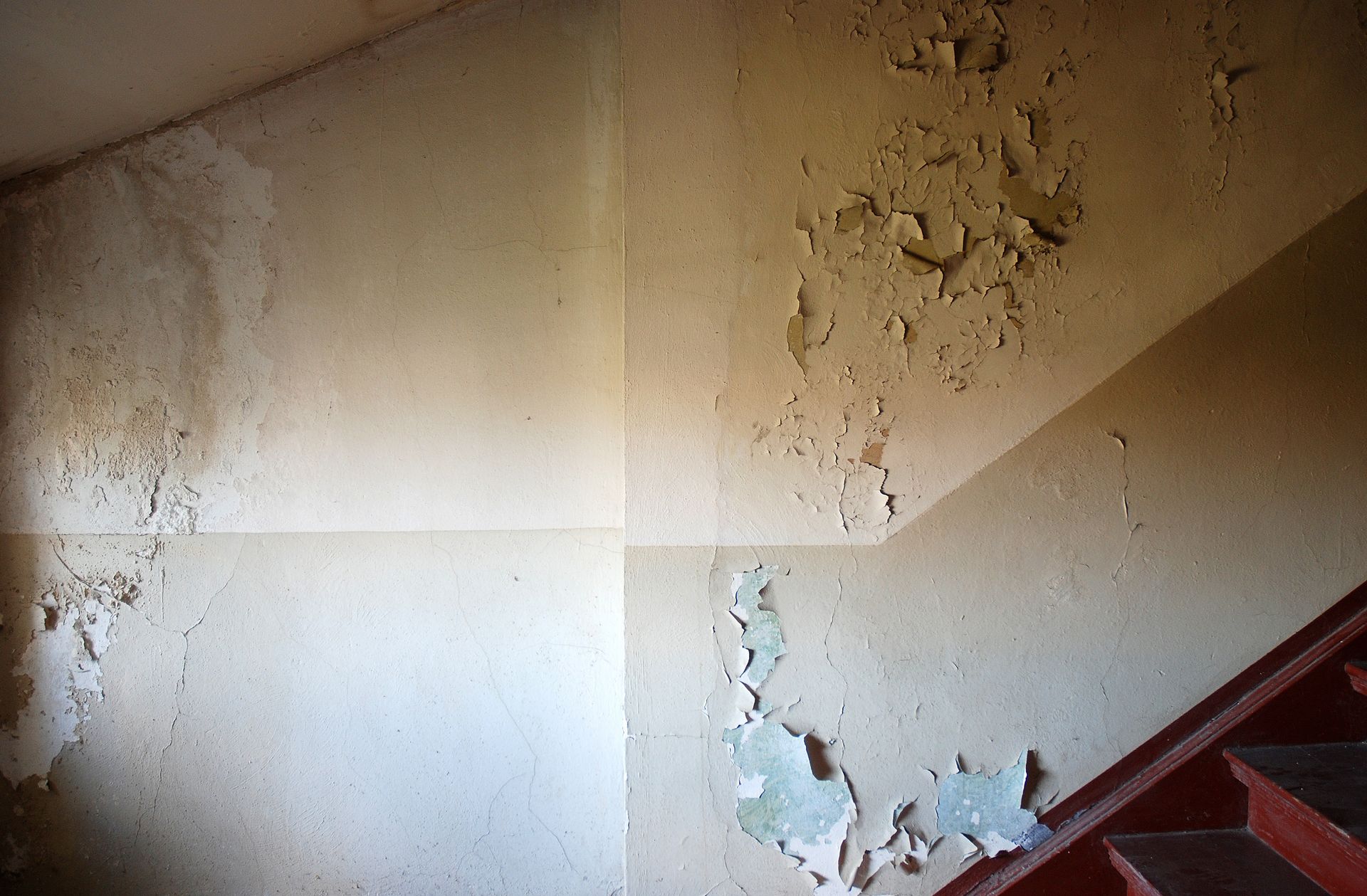
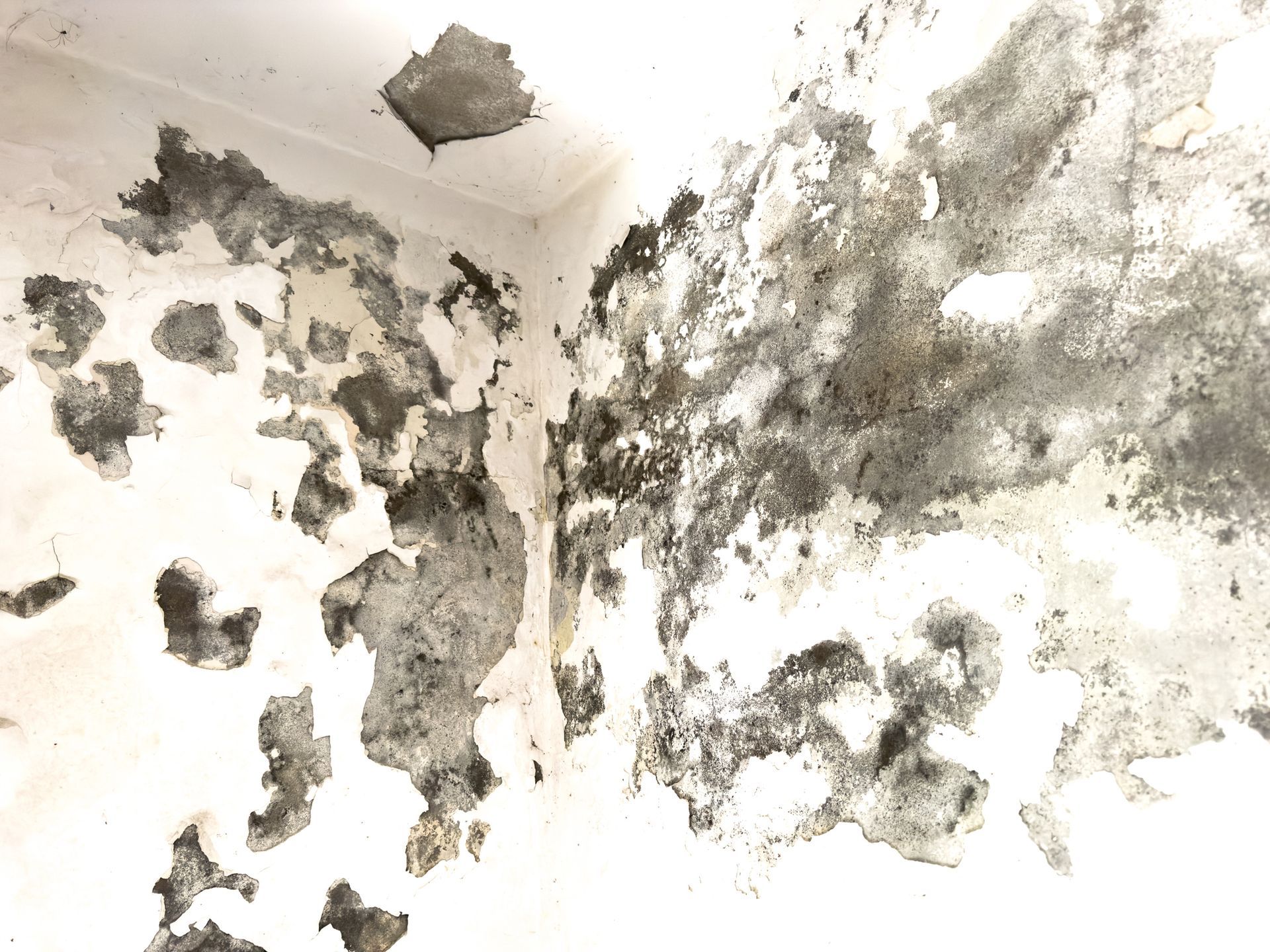
Water damage repair costs can vary widely, and understanding the key drivers may help Pittsfield, MA, homeowners make informed decisions after a loss. Water damage restoration services in Pittsfield, MA, involve several variables that shape the final scope of work. Knowing what those variables are before you call a professional can help you ask better questions and prepare for next steps.
Why the Size of the Affected Area Matters So Much
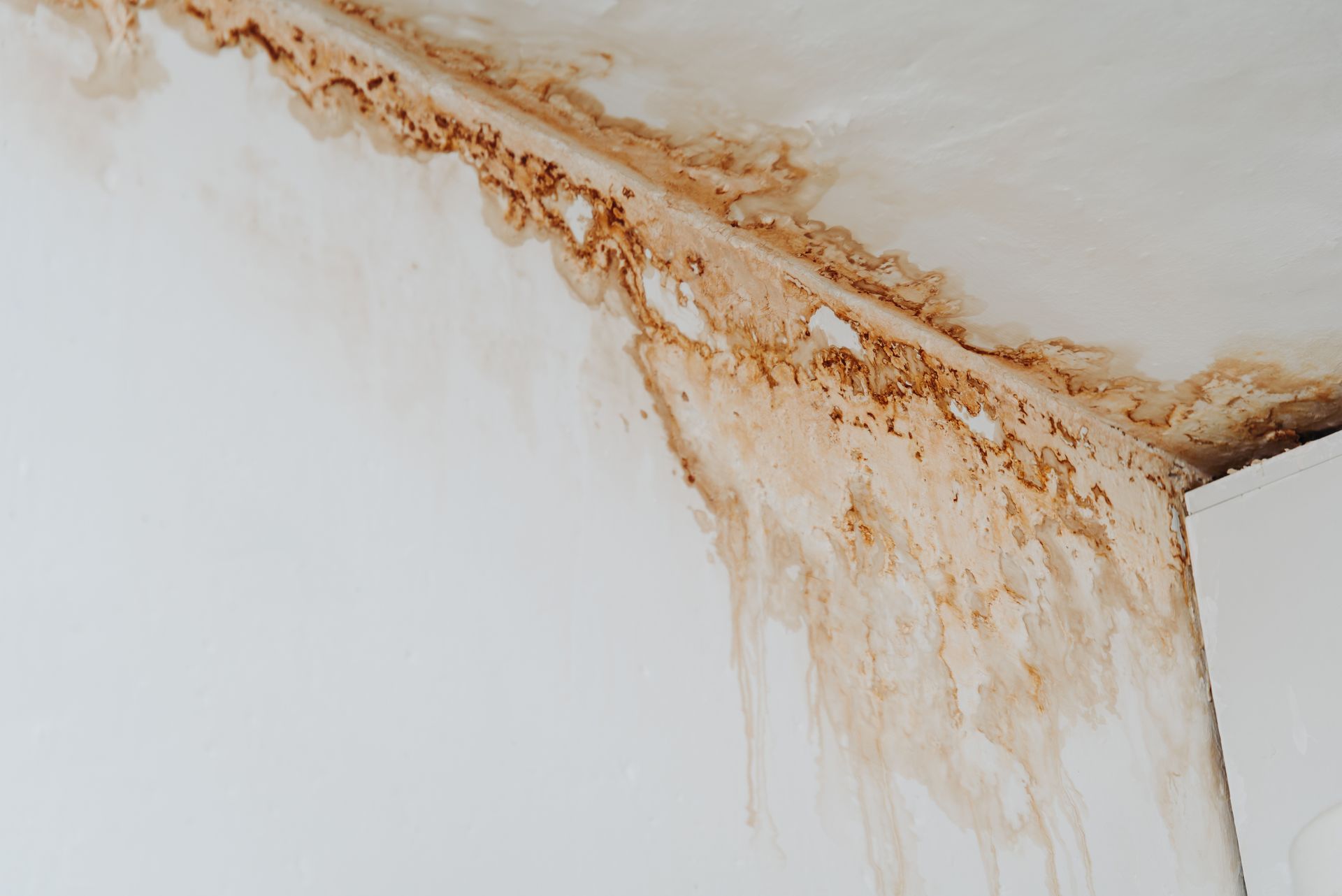
The size of the damage is often the first factor that shapes restoration scope. A small leak under a kitchen sink affects far less surface area than a burst pipe that sends water across two floors. Restoration crews must inspect, extract, dry, and sometimes rebuild every affected square foot. Larger areas require more equipment, more technicians, and more time on site.
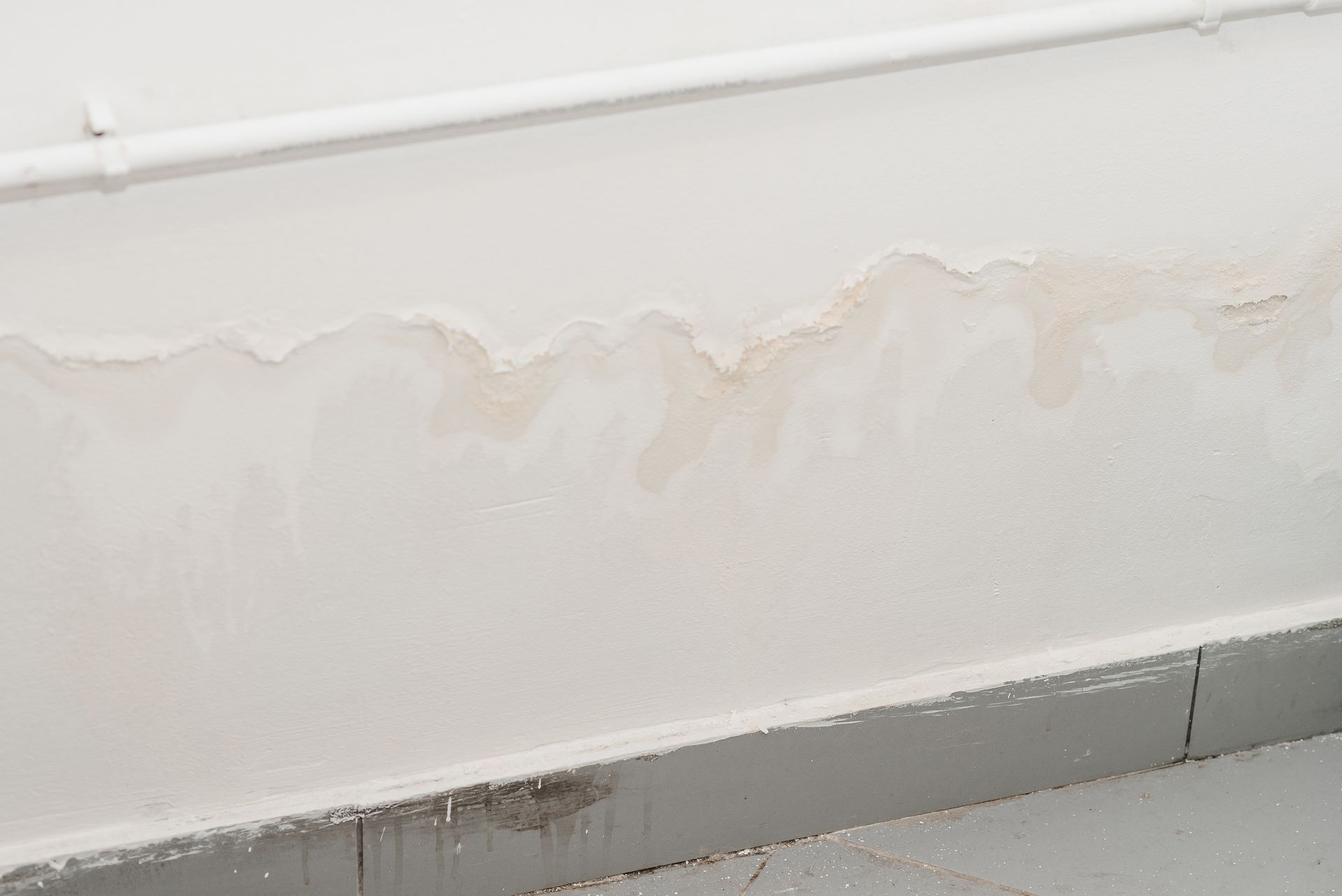
Multi-level homes in Pittsfield can wick moisture into adjacent rooms and wall cavities through door undercuts and structural gaps, meaning an event that looks contained at first can cover far more area once a thorough inspection is complete. Never assume visible damage tells the whole story.
Pittsfield's housing stock adds complexity. About 38% of housing units were built before 1939, with another 26% dating from 1940 to 1959. Older construction often features plaster walls, wood subfloors, and dense framing that hold moisture in ways modern drywall does not, potentially expanding the affected area after the initial event.
How Water Category Affects the Restoration Process
Not all water is the same. Restoration professionals classify water into three categories: clean water from supply lines, gray water from appliances or overflow, and black water from sewage or severe flooding. Each category carries a different level of contamination risk.
Black water situations require specialized protective equipment, antimicrobial treatments, and careful disposal procedures. Gray water events may also require disinfection depending on the materials involved. Clean water losses are typically the most straightforward, though even these can become more complex if water reaches porous materials or sits for an extended period before cleanup begins.
Material Types and Why They Drive Complexity
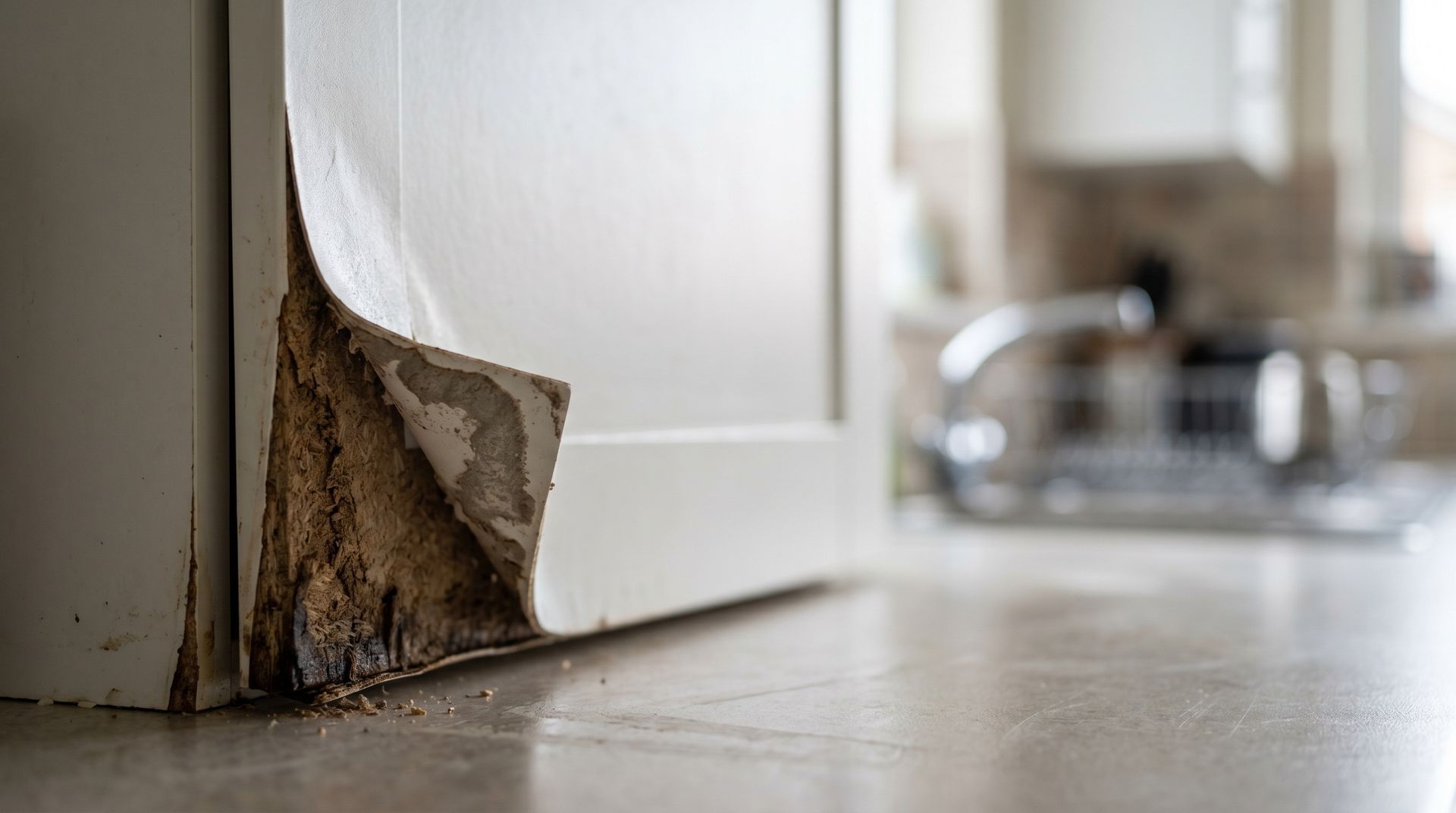
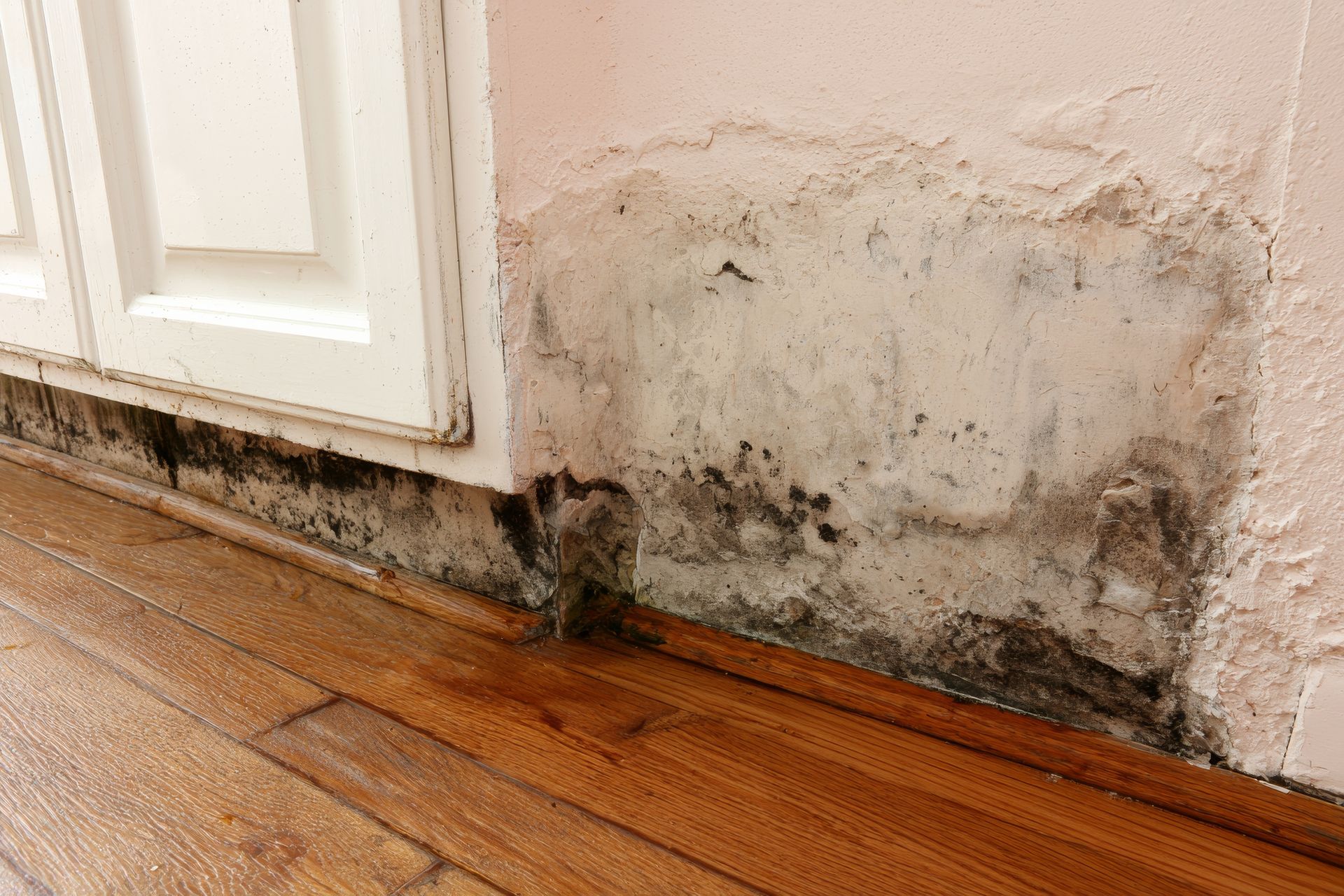
The materials in a home play a large role in how difficult water damage restoration services become. Hard, non-porous surfaces like ceramic tile release moisture relatively quickly. Porous materials like hardwood floors, carpet, drywall, insulation, and cabinetry can absorb water deeply and may require specialized drying techniques or full replacement.
Older West Side and Morningside homes often have aging pipe systems, and when those pipes fail, water reaches materials like plaster, original hardwood, and older insulation that are harder to dry than modern alternatives. About 65% of Berkshire County homes were built before 1970, meaning many Pittsfield properties present a mix of original materials and later renovations that create multiple drying challenges in a single job.
Drying Time and Why It Is Never One-Size-Fits-All
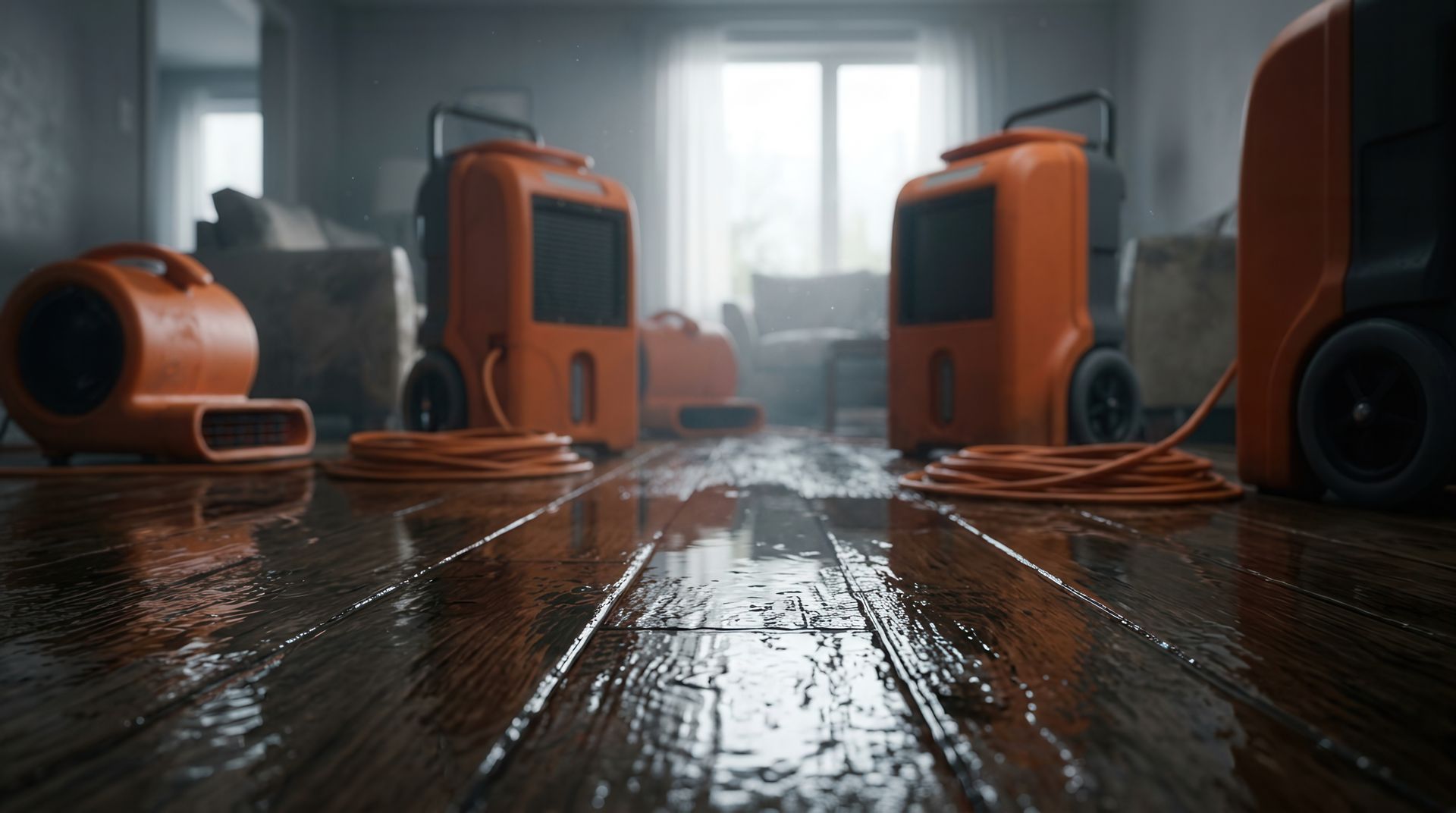
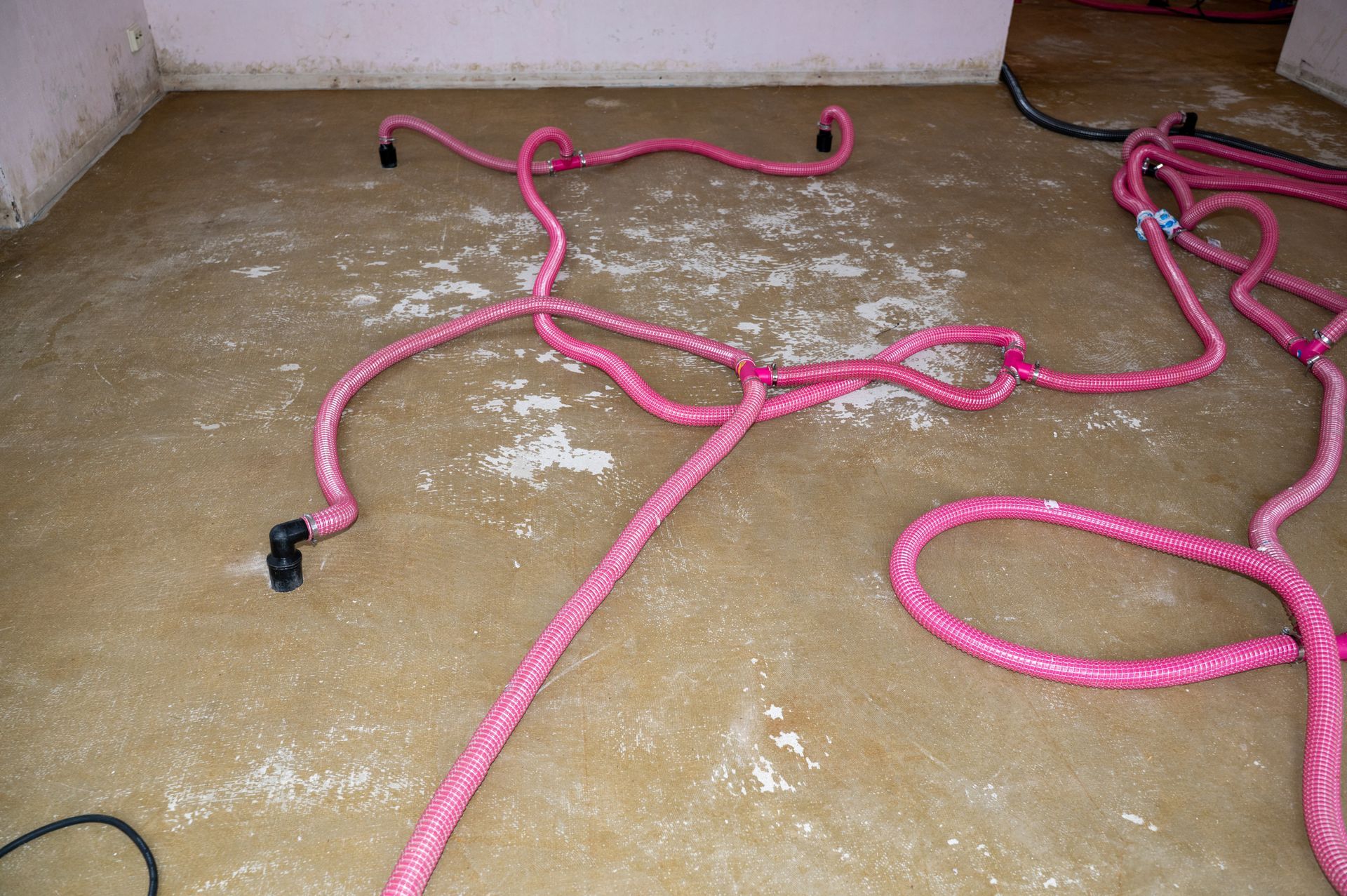
Professional drying involves placing commercial-grade dehumidifiers and air movers strategically, monitoring moisture readings daily, and adjusting equipment until readings reach acceptable levels throughout the structure. Mold can develop within 24 to 48 hours if moisture is not properly addressed.
Berkshire County's seasonal humidity can slow drying in warmer months, particularly in finished basements and interior wall cavities with limited air circulation. Jobs involving multiple floors, dense framing, or wet insulation behind walls require longer drying cycles, which means more equipment time, more monitoring visits, and a longer project timeline. Scheduling water damage restoration services promptly after an event is one of the most effective ways to limit both drying time and overall costs.
When Reconstruction Becomes Part of the Equation
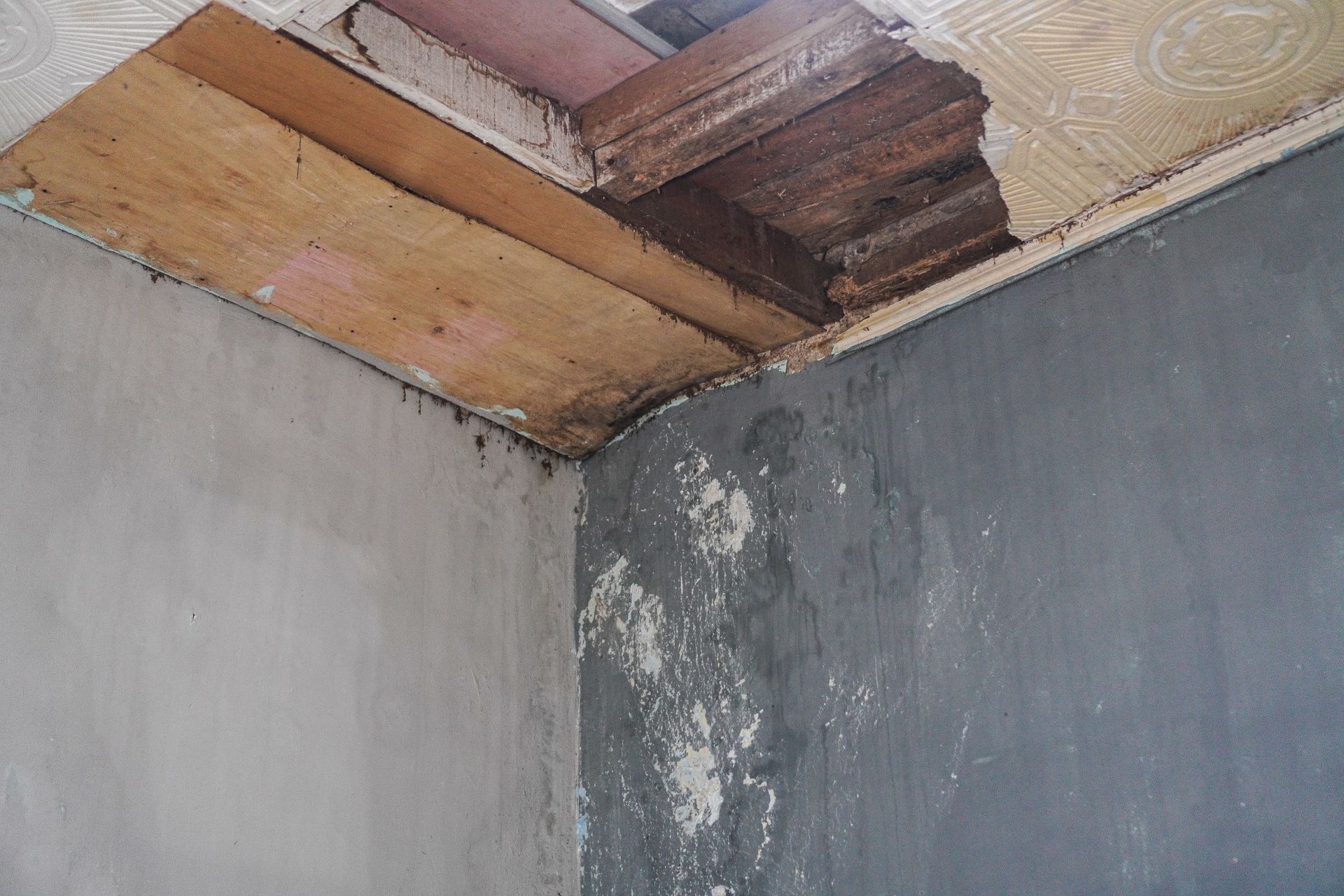
Sometimes water damage cannot be resolved through drying alone. Structural components that absorb too much moisture may need to be removed and replaced, including drywall, subfloor panels, floor coverings, cabinetry, or framing members.
In Pittsfield, 26% of all housing units are in two- to four-family buildings, meaning water damage in one unit can affect adjacent units or shared structural systems. Reconstruction in these cases may require coordination with multiple property owners or tenants. A professional estimate will typically outline the demolition scope and rebuild scope separately so property owners can understand each component.
Comprehensive water damage restoration services address both the mitigation and reconstruction phases under one coordinated process, which simplifies project management and helps keep timelines on track.
What Should I Do Before the Restoration Team Arrives?
If it is safe to do so, shut off the water source, remove standing water with towels or a wet vacuum, and open windows to encourage airflow. Avoid using standard household fans near electrical outlets in wet areas. Document the damage with photos before moving anything.
Can I Get a Free Estimate for Water Damage Restoration Services in Pittsfield, MA?
Yes. Many professional restoration companies serving Pittsfield, MA, offer free estimates. An on-site inspection is the most accurate way to assess the true scope of damage, since moisture often travels beyond what is visible to the eye.
Take the Next Step Toward a Reliable Restoration Estimate
Every water damage event is different, and the only way to know your actual scope is to have a professional assessment.
Liptak Restoration Inc. has been serving Western Massachusetts communities, including Pittsfield, since 1991, and offers 24/7 emergency response and free estimates for residential and commercial properties throughout Berkshire County.
To speak with a live team member any time, call
(413) 568-3740. You can also
request a free estimate online or learn more about residential
water damage restoration serving Pittsfield, MA to understand how the process works from start to finish.